


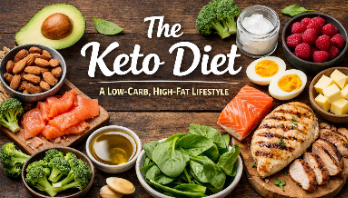
The Keto diet, short for Ketogenic diet, is a low-carbohydrate, high-fat eating plan that encourages the body to use fat as its main source of energy instead of glucose. When carbohydrate intake is reduced, the body enters a metabolic state called ketosis, where it starts breaking down stored fat to produce energy. This process can help improve focus, stabilize energy levels, and support overall metabolic health.
A typical Keto meal includes healthy fats like avocados, nuts, seeds, olive oil, and coconut oil, moderate amounts of protein such as eggs, fish, and chicken, and very limited carbohydrates from non-starchy vegetables like spinach, broccoli, and cauliflower. Foods such as sugar, bread, rice, potatoes, and processed snacks are usually avoided.
One of the major benefits of the Keto diet is its ability to reduce sugar cravings and keep blood sugar levels stable. Many people also report better concentration and sustained energy throughout the day. However, during the initial days, some people may experience the “keto flu,” which includes mild symptoms like tiredness or headaches as the body adjusts.
It is important to follow the Keto diet in a balanced way. Hydration, proper electrolytes, and nutrient-rich foods are essential. Before starting any major dietary change, especially for teenagers, it is recommended to consult a doctor or a nutrition expert to ensure the diet supports healthy growth and development.
Source: chatgpt
Featured Products